
Human-in-the-Loop AI: Designing Approval Gates That Actually Control Risk
An engineering guide to risk tiers, durable approval state, reviewer UX, audit trails, and safe execution for consequential AI agent actions.
Insights archive
An engineering guide to risk tiers, durable approval state, reviewer UX, audit trails, and safe execution for consequential AI agent actions.
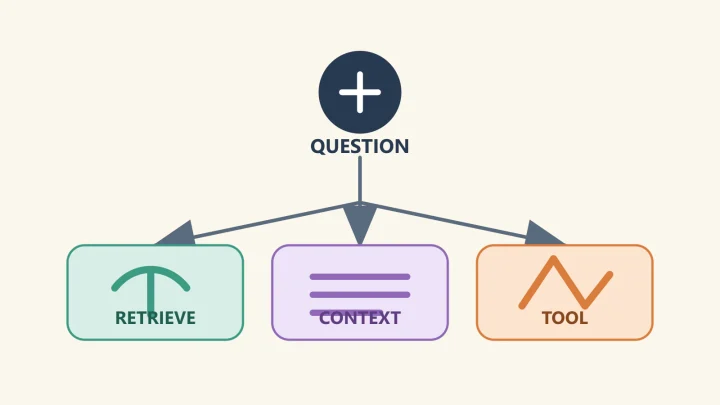
A practical framework for deciding when an AI system needs long context, retrieval-augmented generation, live tools, or a governed combination.
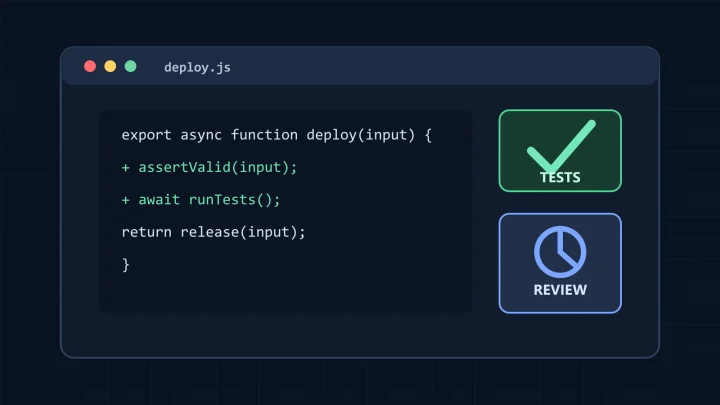
A current, workflow-focused comparison of OpenAI Codex, Claude Code, Cursor, GitHub Copilot, Google Antigravity, and Gemini Code Assist, with security and enterprise selection criteria.
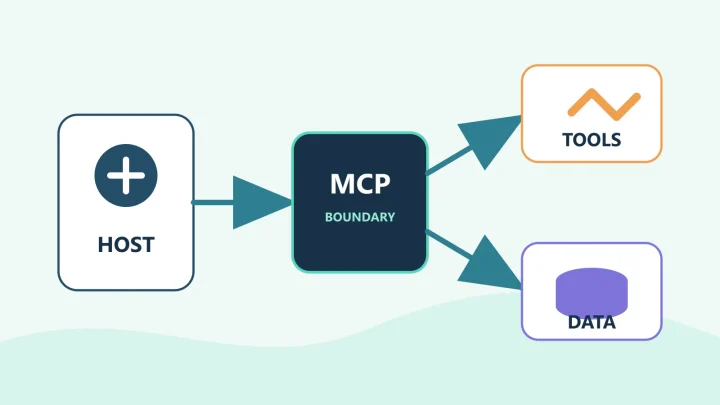
A practical explanation of APIs, tools, connectors, plugins, MCP hosts and servers, and agents, including authentication, authorization, trust boundaries, and enterprise governance.
Claude Fable 5.1 targets long-running, tool-heavy work. This guide explains its capabilities, cache economics, migration limits, safeguards, retention, and a measured adoption plan.
GPT-6 Astra brings long-horizon agent features, a 1.05 million-token context window, staged availability, and premium pricing. This guide shows business leaders how to evaluate it with realistic workloads, cost measures, and governance controls.
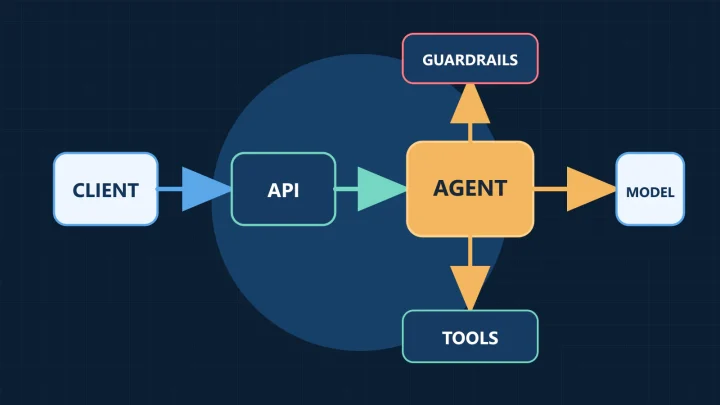
A broad production security baseline for AI agents covering identity, least privilege, tool policy, data boundaries, secrets, approvals, sandboxing, auditability, and kill switches.
A production-focused Amazon Bedrock agent architecture covering model access, IAM, tools, Lambda, data, secrets, approvals, observability, reliability, and operations.
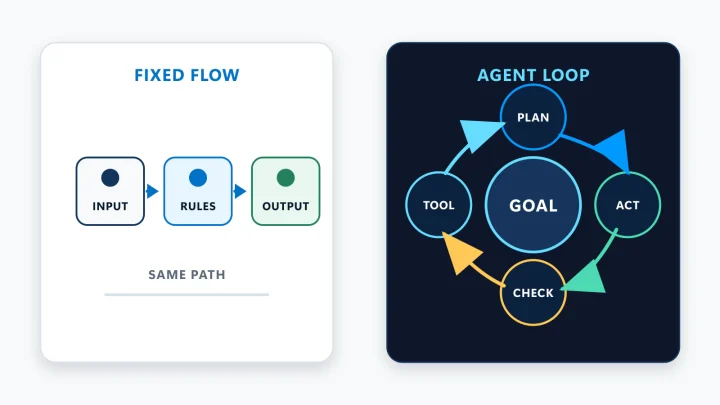
A practical framework for deciding when deterministic automation is enough, where an AI-assisted workflow adds value, and when an autonomous agent is justified.